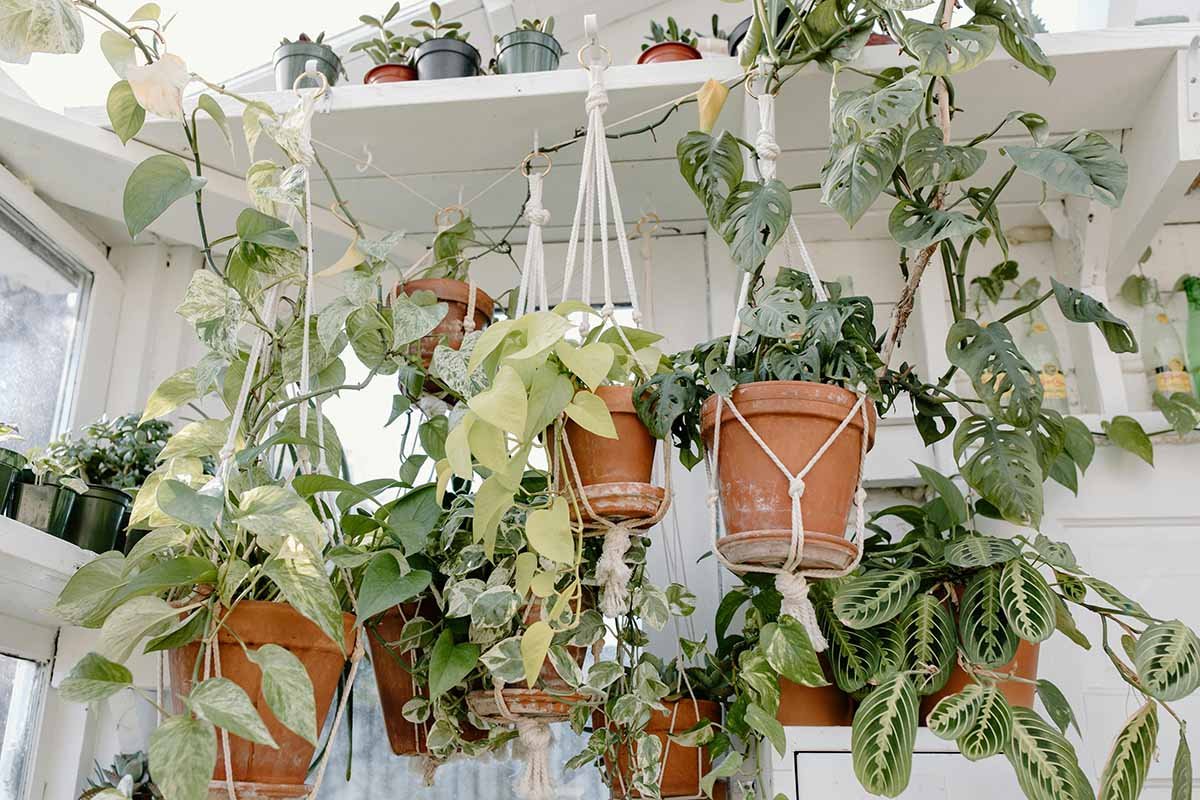
Trailing houseplants bring natural elegance to interiors, making vertical use of space and adding vibrant greenery to walls, shelves, and ceilings. Perfect for homes or apartments of any size, these plants can elevate your décor while offering minimal care routines. Here’s your comprehensive guide to the top 10 indoor trailing plants, complete with care essentials to help them thrive.
1. Golden Pothos (Epipremnum aureum)
Golden Pothos, also known as Devil’s Ivy, is arguably the most popular trailing plant for beginners. It’s nearly indestructible and grows quickly, adapting well to most indoor environments. With heart-shaped leaves and air-purifying properties, it’s not only great to look at, but also beneficial for your health!
- Light Requirements: Bright, indirect light; tolerates low light.
- Water Requirements: Let the top 2–3cm of soil dry out before watering.
- Soil Recommendation: Well-draining mix with perlite or orchid bark.
- Humidity: Average indoor humidity is fine; enjoys occasional misting.
2. Spider Plant (Chlorophytum comosum)
The Spider Plant is loved for its fountain-like foliage and baby “spiderettes” that dangle from the mother plant. It’s a reliable air purifier that requires very low maintenance.
- Light Requirements: Prefers bright, indirect light but tolerates shade.
- Water Requirements: Water when the top inch of soil is dry.
- Soil Recommendation: Loose, well-draining potting mix.
- Humidity: Can tolerate dry air but prefers moderate humidity.
3. String of Pearls (Senecio rowleyanus)
This striking succulent features trailing strands of bead-like leaves, a bold choice for minimalist or modern indoor styles.
- Light Requirements: Bright, indirect light; handles some direct sunlight.
- Water Requirements: Water thoroughly only when soil is completely dry.
- Soil Recommendation: Sandy, fast-draining cactus or succulent soil.
- Humidity: Prefers low humidity; avoid excess moisture.
4. String of Hearts (Ceropegia woodii)
This delicate vine has small, heart-shaped leaves with a soft silver sheen. It’s surprisingly hardy and can trail several feet over time. When care essentials are met, it may even bloom with pink or purple flowers during summer.
- Light Requirements: Bright, indirect light; tolerates a few hours of sun.
- Water Requirements: Allow soil to dry nearly completely between waterings.
- Soil Recommendation: Well-draining mix, such as succulent or cactus soil.
- Humidity: Dry to moderate humidity is ideal.
5. Tradescantia Zebrina (Inch Plant)
Known for its vibrant purple and silver-striped foliage, this fast-growing plant adds a splash of colour to any space.
- Light Requirements: Bright, indirect light to maintain vivid colours.
- Water Requirements: Water when top inch of soil is dry.
- Soil Recommendation: All-purpose indoor potting mix with good drainage.
- Humidity: Enjoys moderate to high humidity; misting helps prevent crispy edges.
6. Philodendron Scandens (Heartleaf Philodendron)
A classic trailing houseplant with deep green, heart-shaped leaves that gracefully spill over containers or climb support structures.
- Light Requirements: Bright, indirect light; tolerates low light.
- Water Requirements: Water when the top layer of soil feels dry.
- Soil Recommendation: Peat-based, well-draining indoor mix.
- Humidity: Prefers higher humidity but tolerates typical room conditions.
7. Lipstick Plant (Aeschynanthus pulcher)
With its glossy leaves and vibrant red blooms, the Lipstick Plant adds tropical flair to bright rooms and humid spaces.
- Light Requirements: Bright, indirect light; avoid direct sunlight.
- Water Requirements: Keep soil consistently moist, not soggy.
- Soil Recommendation: Airy, peat-based soil with good drainage.
- Humidity: High humidity is ideal; thrives in kitchens or bathrooms.
8. Hoya (Wax Plant)
Hoyas are semi-succulent vines known for their waxy leaves and occasional fragrant blooms. They are slow growers but very resilient.
- Light Requirements: Bright, indirect light; some tolerate direct morning sun.
- Water Requirements: Allow soil to dry between watering.
- Soil Recommendation: Chunky, well-draining mix (e.g., orchid bark + perlite).
- Humidity: Moderate to high humidity is best; mist occasionally.
9. Monstera adansonii (Swiss Cheese Vine)
Loved for its unique perforated leaves, this trailing Monstera variety brings dramatic tropical appeal to shelves and hanging baskets.
- Light Requirements: Bright, indirect light only.
- Water Requirements: Water when the top few centimetres of soil are dry.
- Soil Recommendation: Rich, airy aroid mix with excellent drainage.
- Humidity: Enjoys high humidity; misting or grouping is beneficial.
10. Burro’s Tail (Sedum morganianum)
A sculptural succulent with thick, plump trailing leaves that spill beautifully from high pots or shelves. It’s a drought-tolerant showstopper.
- Light Requirements: Bright, indirect light; can handle some direct sun.
- Water Requirements: Infrequent watering; allow soil to dry completely.
- Soil Recommendation: Fast-draining cactus/succulent mix.
- Humidity: Low humidity preferred; avoid overwatering.
Additional Tips for Thriving Indoor Trailing Plants
- Rotate plants: Trailing plants tend to grow towards the light. Rotate every few weeks to encourage symmetrical growth.
- Hanging planters with drainage: Choose hanging planters with proper drainage holes; excess moisture can lead to root rot.
- Dust leaves: Indoor plants collect dust over time. Gently wipe leaves with a damp cloth to improve photosynthesis and sustain their glossy appearance.
- Support long vines: Use hooks or trellises to give your trailing plants some support. This helps add visual appeal through vertical climbing and helps to manage longer stems.
- Mix and match: Combine different varieties, such as String of Pearls, Heartleaf Philodendron, and Tradescantia, for contrasting leaf shapes and colours. This creates a more dynamic indoor jungle look.
Frequently Asked Questions (FAQs)
Q: Which indoor trailing plant is easiest to care for?
A: The Pothos (Epipremnum aureum) is one of the easiest trailing plants to care for. It tolerates low light, infrequent watering, and is very forgiving, ideal for beginners.
Q: Can trailing plants grow in low light?
A: Yes, several indoor trailing plants like Philodendron and Pothos can thrive in low to medium light. However, brighter indirect light usually encourages fuller growth and longer vines.
Q: Are trailing plants safe for pets?
A: Some trailing plants, like Spider Plants, are pet-friendly. Others, such as Pothos and Philodendron, can be toxic if ingested by pets. Always check the toxicity of plants before bringing them into a pet-friendly home.
Q: How do I encourage fuller, bushier growth in trailing plants?
A: To promote bushier growth, regularly pinch back or trim the vines just above a leaf node. This encourages branching. Also, ensure the plant is receiving enough light and is not root-bound.
Q: Which trailing plants are best for bathrooms?
A: Bathrooms are great for humidity-loving plants. Try Heartleaf Philodendron, Golden Pothos, or String of Hearts; they thrive in indirect light and love the extra moisture in the air.