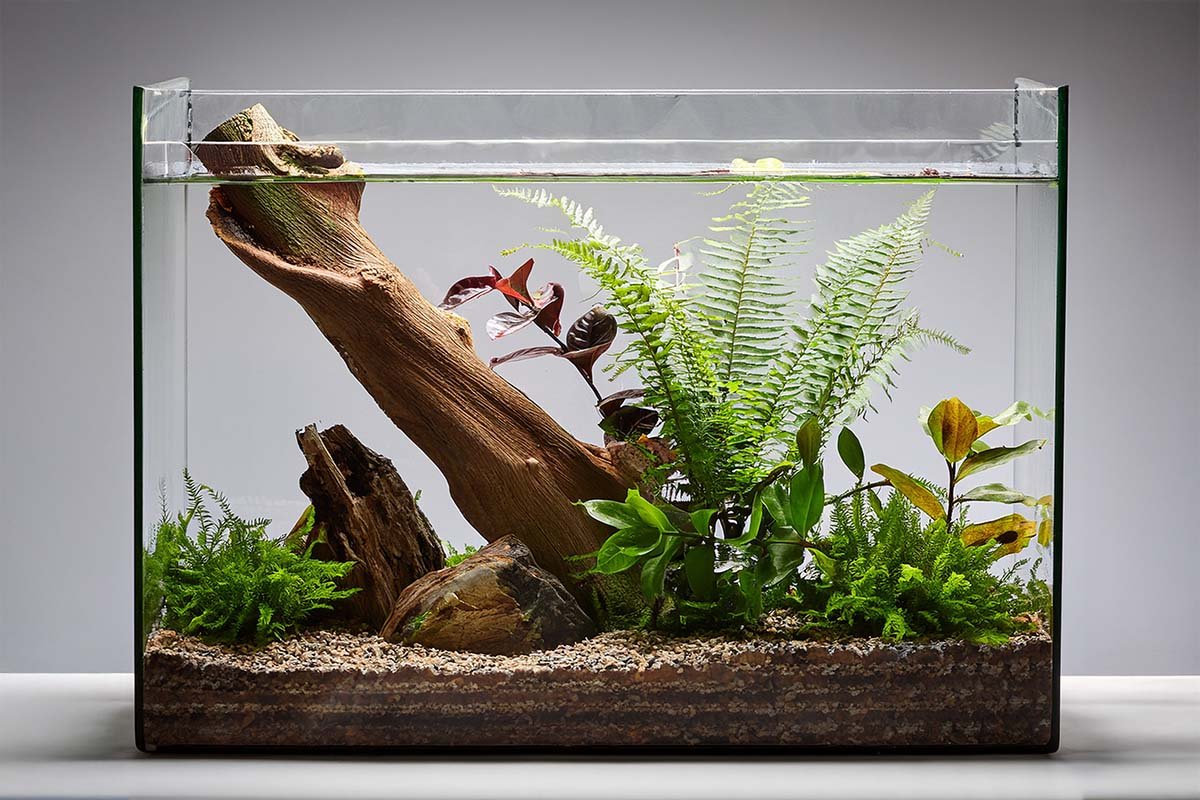
Aquatic plants play a crucial role in any freshwater ecosystem, whether you’re setting up an aquarium or maintaining a pond. They not only beautify your aquatic environment but also support a balanced ecosystem by oxygenating the water, reducing algae, and offering shelter for fish and invertebrates.
We’ll explore 10 of the most popular and beneficial aquatic plants, divided into floating, submerged, emergent, and marginal types. In this guide, you’ll find water plants suited to every setup or goal.
Why Aquatic Plants Matter
Aquatic plants do more than enhance aesthetics. Their benefits include:
- Natural Filtration: They absorb excess nutrients, helping control algae growth.
- Oxygen Production: Through photosynthesis, they oxygenate the water, supporting fish health.
- Habitat & Shelter: They offer protection and breeding grounds for aquatic life.
- Erosion Control: In outdoor ponds, rooted plants stabilize the substrate.
As you can see, aquatic plants are a must-have in any water environment.
Types of Aquatic Plants
Understanding plant types will help you make the best selection for your setup:
- Submerged Plants: Grow entirely underwater (e.g., Hornwort, Anacharis).
- Floating Plants: Float on the surface, roots dangle below (e.g., Duckweed, Water Hyacinth).
- Emergent Plants: Rooted in water but grow above the surface (e.g., Lotus, Cattail).
- Marginal Plants: Grow in shallow edges of ponds or tanks (e.g., Pickerelweed).
This article will focus on submerged and floating plants, as these are more commonly found in aquariums or garden ponds.
Top 10 Aquatic Plants for Your Aquarium or Pond
1. Anubias
- Type: Submerged or semi-submerged
- Best for: Aquariums, shaded pond edges
- Highlights: Hardy, slow-growing, thrives in low light
Anubias is a favorite among aquascaping enthusiasts for its deep green leaves and low-maintenance nature. It resists algae and can be attached to driftwood or rocks, making it ideal for beginners.
2. Water Hyacinth (Eichhornia crassipes)
- Type: Floating
- Best for: Outdoor ponds
- Highlights: Fast-growing, excellent oxygenator
This beautiful plant boasts lavender flowers and velvety leaves. It helps filter toxins from the water but requires regular thinning to prevent overgrowth. It’s banned in some areas due to invasiveness; check your local regulations.
3. Amazon Sword (Echinodorus amazonicus)
- Type: Submerged
- Best for: Aquariums
- Highlights: Broad leaves, dramatic centerpiece
Known for its lush, sword-like leaves, the Amazon Sword thrives in nutrient-rich substrates. It benefits from root tabs and moderate lighting. Ideal for background planting in larger tanks.
4. Hornwort (Ceratophyllum demersum)
- Type: Submerged, free-floating
- Best for: Ponds and aquariums
- Highlights: Algae control, oxygenation, no substrate needed
This fast-growing plant can float freely or be anchored. It’s a powerhouse for oxygenation and nutrient absorption, making it a great natural filter.
5. Java Fern (Microsorum pteropus)
- Type: Submerged
- Best for: Low-light aquariums
- Highlights: Resilient, slow-growing, textured foliage
Java Fern thrives when attached to wood or rock. It tolerates various water conditions and doesn’t require CO₂ injection, making it a low-fuss favourite.
6. Water Lettuce (Pistia stratiotes)
- Type: Floating
- Best for: Ponds
- Highlights: Rosette leaves, shade provider
This attractive plant forms floating clusters that shade the water, reducing algae. Its roots provide excellent hiding spots for fry and small aquatic creatures.
7. Bacopa Caroliniana
- Type: Submerged
- Best for: Aquariums
- Highlights: Fragrant when crushed, vibrant green color
Bacopa is loved for its clean look and bushy growth. It can be trimmed and replanted easily, making it ideal for aqua scaping.
8. Dwarf Hairgrass (Eleocharis parvula)
- Type: Submerged
- Best for: Foreground in aquariums
- Highlights: Creates a lawn-like effect
For a lush, carpeted aquarium floor, Dwarf Hairgrass is unbeatable. It needs good lighting and CO₂ for best results, but the payoff is a stunning aquascape.
9. Red Ludwigia (Ludwigia repens)
- Type: Submerged
- Best for: Midground in aquariums
- Highlights: Red hues, fast growth
This plant offers rich red tones that contrast beautifully against green foliage. It prefers medium to high light and grows quickly, helping balance water chemistry.
10. Duckweed (Lemna minor)
- Type: Floating
- Best for: Ponds and aquariums
- Highlights: Rapid propagation, nutrient absorber
Though tiny, Duckweed is powerful. It prevents algae by competing for nutrients and shading the surface. However, it multiplies rapidly; control is essential.
Aquatic Plant Care Tips
To keep your aquatic plants healthy and vibrant:
- Use Proper Lighting: Match plant light needs to your tank/pond conditions.
- Fertilize Wisely: Use aquatic plant fertilizers or root tabs if needed.
- Control Growth: Trim regularly, especially fast growers like Water Hyacinth or Duckweed.
- Monitor Water Parameters: Ensure appropriate pH, temperature, and hardness levels.
- Avoid Algae Overgrowth: Balance plant load, avoid overfeeding fish.
Best Aquatic Plants for Beginners
If you’re just starting, consider these low-maintenance picks:
- Java Fern
- Anubias
- Hornwort
- Amazon Sword
They’re resilient, adaptable, and don’t require CO₂ systems or special substrates.
Frequently Asked Questions (FAQs)
Q: Can you mix floating and submerged plants in the same tank or pond?
Yes, combining floating and submerged plants creates a balanced ecosystem. Floating plants like Water Lettuce or Duckweed provide shade and limit algae, while submerged plants like Amazon Sword or Bacopa Caroliniana oxygenate the water and offer shelter for fish.
Q: How do I control fast-growing aquatic plants like Duckweed or Water Hyacinth?
A: To control fast-growing aquatic plants:
- Thin them regularly by skimming or removing excess growth
- Limit nutrients in the water to slow down reproduction
- Use barriers or plant rings in ponds to contain spread
- In aquariums, install a surface skimmer or fine netting
Q: Do aquatic plants need special lighting?
Some aquatic plants require moderate to high lighting (e.g., Dwarf Hairgrass, Red Ludwigia), while others thrive in low light conditions (e.g., Anubias, Java Fern). Match your lighting to your plant types to ensure optimal growth.
Q: How often should I fertilize aquatic plants?
Aquatic plants benefit from fertilisation every 1–2 weeks depending on plant type, lighting, and growth rate. Use:
- Root tabs for rooted plants like Amazon Sword
- Liquid fertilizers for stem and floating plants
- Avoid over-fertilizing to prevent algae blooms
Q: Can aquatic plants help control algae?
Yes, aquatic plants are natural algae suppressors. By absorbing excess nutrients, they starve algae of the elements it needs to grow. Fast-growing plants like Hornwort and Duckweed are especially effective for algae control.