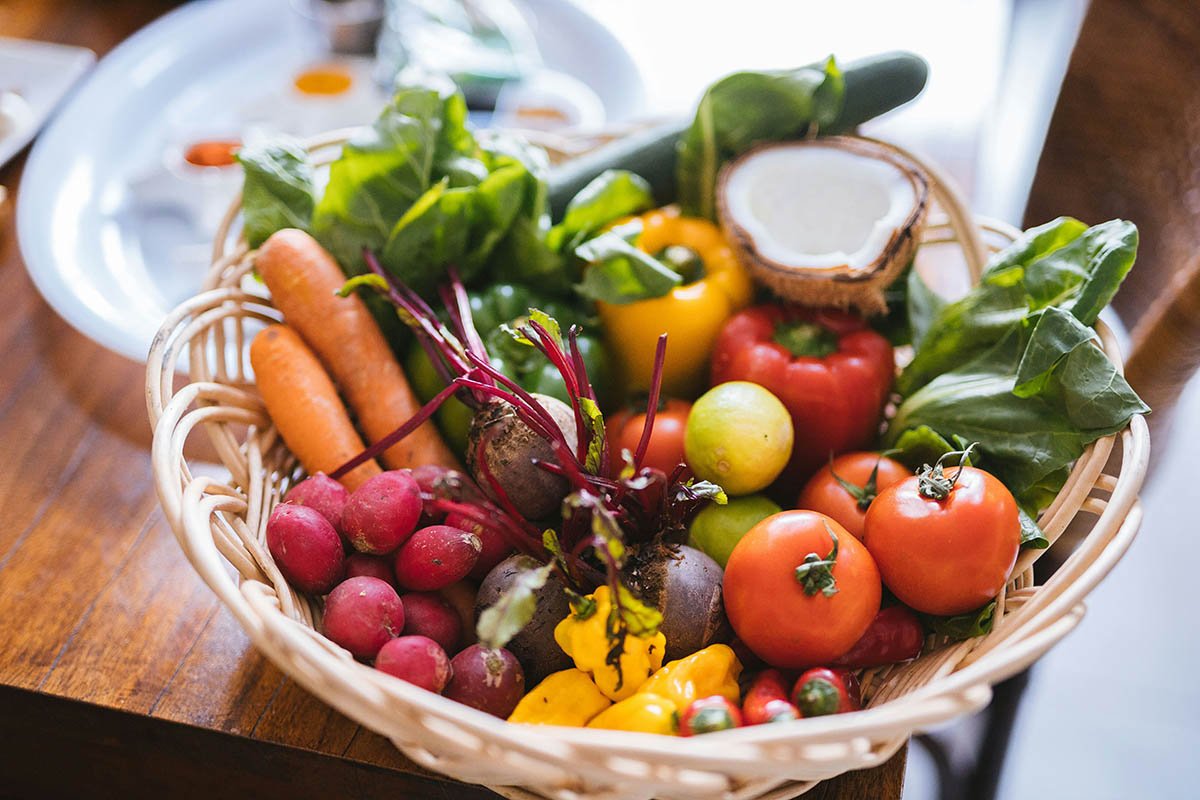
Growing your own vegetables isn’t just for those with a garden or greenhouse. With a little light, care, and creativity, you can grow a variety of fresh vegetables indoors year-round. Whether you’re in an apartment, a cold climate, or just want to keep your favourite produce within arm’s reach, indoor gardening is surprisingly simple and satisfying.
In this comprehensive guide, we’ll walk you through the top 10 vegetables you can grow indoors, the tools you need to succeed, and expert tips to get the best harvest right from your kitchen or windowsill.
Why Grow Vegetables Indoors?
Before we dig in, let’s look at why indoor vegetable gardening is gaining popularity:
- Freshness on Demand: Harvest vegetables at their peak, right when you need them.
- Eco-Friendly: Reduce your carbon footprint by growing food locally, inside your home.
- Pest-Free Gardening: Fewer insects and diseases compared to outdoor gardening.
- Year-Round Harvest: Weather is no longer a factor. Grow seasonal veggies even in winter.
What You Need to Grow Vegetables Indoors
To successfully grow vegetables indoors, set yourself up with the following essentials:
- Adequate Light: A south-facing window is ideal. Alternatively, use LED grow lights for full-spectrum coverage
- Proper Containers: Choose pots with good drainage. Consider self-watering containers for hassle-free hydration
- Quality Potting Mix: Use a well-draining, organic potting mix, not regular garden soil
- Fertiliser: Indoor plants need to have their nutrient sources replenished. Use a balanced, water-soluble fertiliser every few weeks
- Humidity & Airflow: Good ventilation helps prevent mould and diseases. Use a small fan if needed, but be cautious as this may dry the plant out quicker.
Top 10 Vegetables You Can Grow Indoors
Here’s a handpicked list of the best vegetables for indoor gardening, easy to grow, space-efficient, and highly productive.
Lettuce
Light requirement: Moderate
Harvest time: 30–45 days
Common varieties: Romaine, Butterhead, Loose-leaf
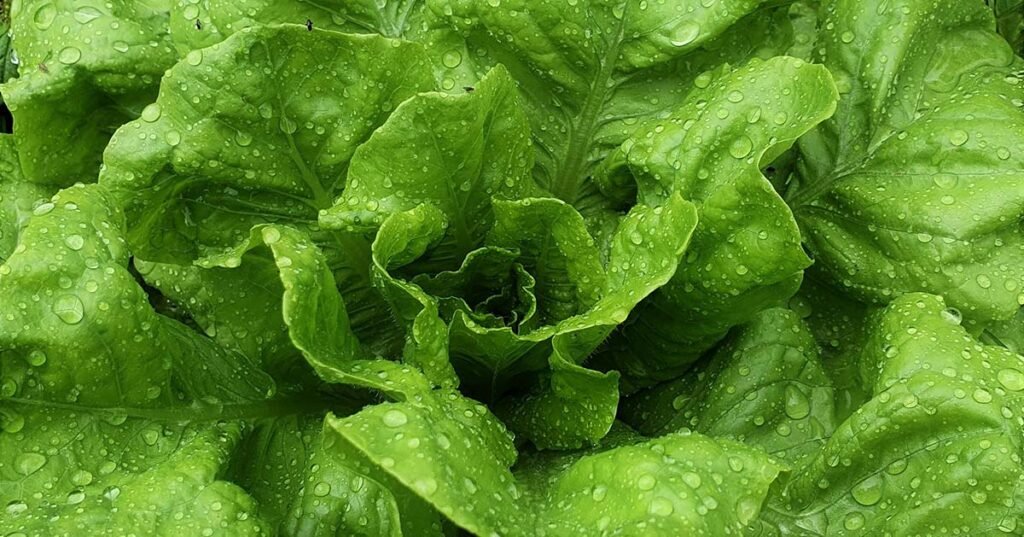
Lettuce is one of the easiest vegetables to grow indoors. It grows fast and requires minimal space. Keep the soil consistently moist and provide at least 12 hours of light daily for optimal leaf production.
Pro tip: Stagger your planting every two weeks to enjoy continuous harvests.
Spinach
Light requirement: Low to moderate
Harvest time: 45–60 days
Common varieties: Bloomsdale, Baby’s Leaf
Spinach thrives in cooler indoor environments and doesn’t need intense light, making it perfect for shaded windowsills. It’s rich in iron and grows well in shallow containers.
Pro tip: Harvest outer leaves regularly to encourage new growth.
Spring Onions (Scallions)
Light requirement: Low to moderate
Harvest time: ~60 days
Common varieties: Evergreen Hardy White, Ishikura
Spring onions can be regrown from kitchen scraps. Simply place the white root ends in water, and once they sprout, transfer them to a pot. These are low-maintenance and regrow quickly.
Pro tip: Use a mason jar on your windowsill for easy hydroponic growth.
Radishes
Light requirement: Moderate to high
Harvest time: 30–60 days
Common varieties: Cherry Belle, French Breakfast
Radishes mature quickly and don’t need deep soil. Their crisp texture and peppery flavour make them a fun and fast-growing choice for beginners.
Pro tip: Thin seedlings early to avoid overcrowding and ensure good bulb development.
Carrots
Light requirement: Moderate to high
Harvest time: 60–90 days
Common varieties: Little Finger, Thumbelina
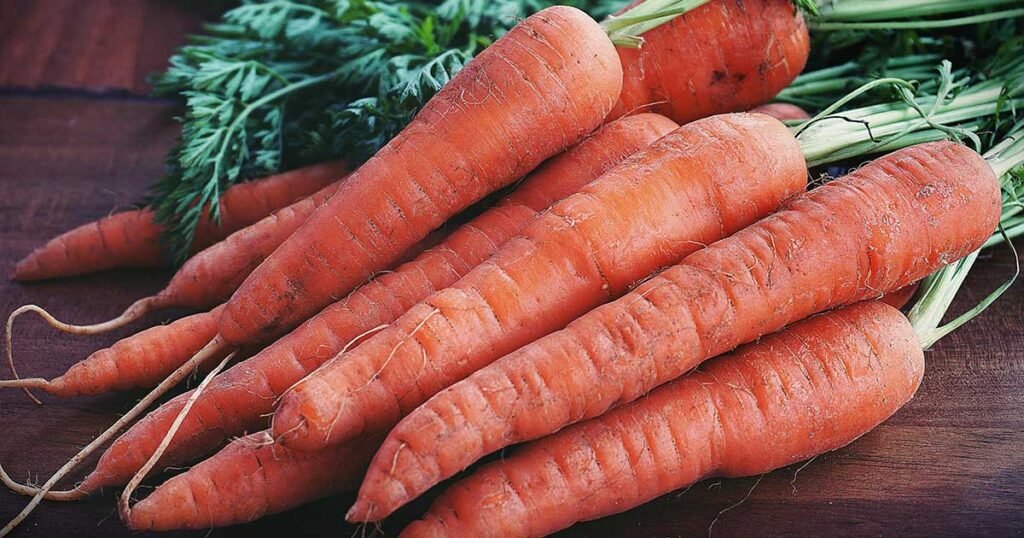
Carrots need a deep container and loose, sandy soil. They’re slow to grow but rewarding. Compact varieties do best indoors and can be harvested baby-sized for sweeter flavour.
Pro tip: Keep soil moist but not waterlogged, carrots hate soggy roots.
Peppers (Chilli & Bell)
Light requirement: High (14–16 hours of light)
Harvest time: 60–90 days
Common varieties: Jalapeño, Mini Bell, Thai Chilli
Peppers love warmth and sunshine. Indoors, they thrive under grow lights. While slower to mature, peppers produce for months when cared for properly.
Pro tip: Hand-pollinate flowers using a cotton swab to ensure fruit development indoors.
Tomatoes
Light requirement: Very high
Harvest time: 60–90 days
Common varieties: Tiny Tim, Red Robin, Patio Princess
Tomatoes are a top choice for indoor gardeners with access to grow lights. Choose dwarf or determinate types for compact spaces. Support stems with stakes or cages as they grow.
Pro tip: Use self-pollinating indoor tomato varieties and mimic bee pollination by gently shaking the flowers.
Kale
Light requirement: Moderate
Harvest time: 50–75 days
Common varieties: Dwarf Blue Curled, Red Russian
Kale is nutrient-dense and forgiving of less-than-ideal conditions. It’s a leafy green that can be harvested over and over from the bottom leaves up.
Pro tip: Kale can tolerate cooler temperatures, making it perfect for colder rooms.
Arugula
Light requirement: Moderate
Harvest time: 20–45 days
Common varieties: Rocket, Astro
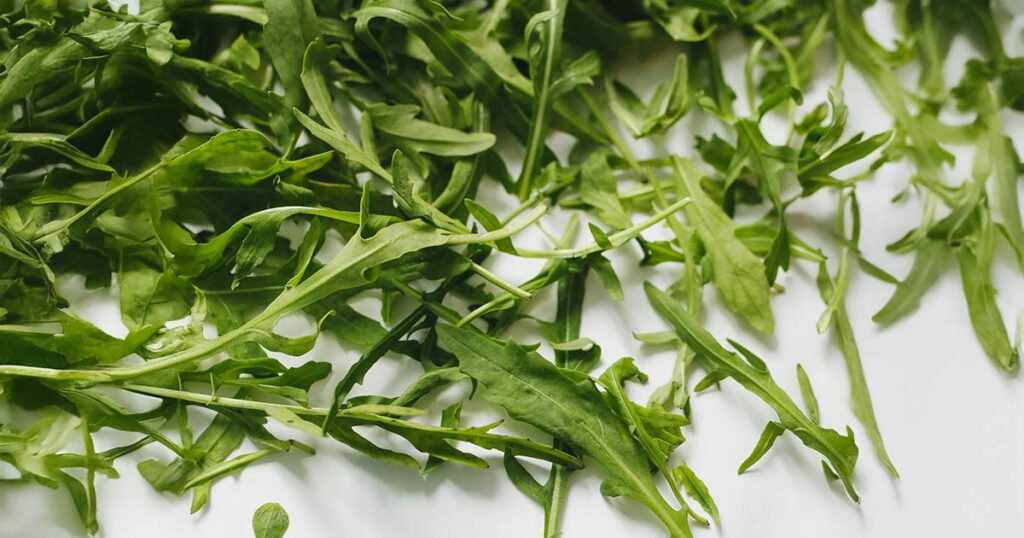
Arugula’s spicy, peppery flavour makes it a gourmet addition to salads. It’s fast-growing and thrives in containers. Ideal for those who want quick gratification.
Pro tip: Harvest young for milder taste, or let mature for more bite.
Microgreens
Light requirement: Moderate to high
Harvest time: 7–21 days
Common varieties: Broccoli, Radish, Pea Shoots, Mustard Greens
Technically not a vegetable per se, but microgreens are nutritional powerhouses. These baby plants are harvested early and packed with flavour and vitamins.
Pro tip: Grow in shallow trays on your windowsill or under lights. No fertiliser needed!
Indoor Gardening Success Tips
- Maintain consistent temperature: Most vegetables prefer 16-24°C (60–75°F).
- Water wisely: Overwatering is a common issue. Let the top inch of soil dry out between waterings.
- Ensure air circulation: Open windows on opposite sides of the house to allow for cross ventilation. This reduces mould and helps pollination.
- Invest in grow lights: Especially for winter growing or dim apartments.
Frequently Asked Questions (FAQs)
Q: Can I grow vegetables indoors without sunlight?
A: Yes, but you’ll need grow lights—preferably full-spectrum LED lights that mimic natural sunlight.
Q: How long do indoor vegetables take to grow?
A: It varies. Fast growers like microgreens and radishes take 1–4 weeks. Slower crops like tomatoes or carrots may take 2–3 months.
Q: What vegetables grow well in low light?
A: Spinach, lettuce, green onions, and some microgreens do well with less sunlight.